
Plants
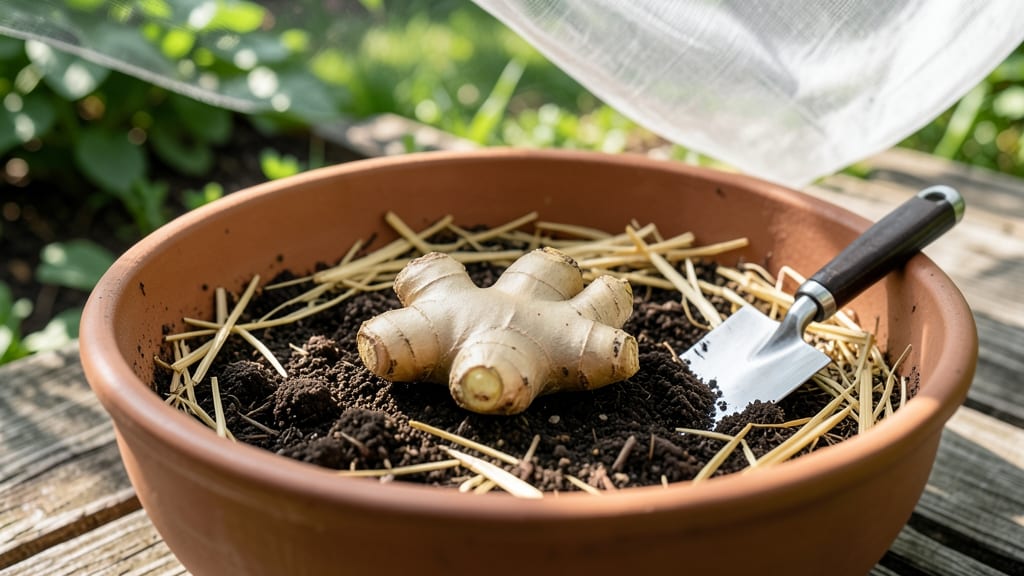
If you're wondering when to plant ginger in Zone 9, timing is everything—and getting it wrong could mean waiting nearly a year for harvest. This tropical rhizome 🌿 thrives in cooler months, but Zone 9's warm climate demands a different approach than colder regions.
Most gardeners assume ginger needs summer heat, but the key to fast root growth lies in cooler soil temperatures between 60-75°F. Planting in January or February gives your ginger rhizomes the ideal conditions to establish before summer's intensity arrives.
I’ve tested this method myself, and the difference in growth speed is dramatic. By avoiding the hottest months, you skip the risk of heat stress while still giving your plants enough time to mature before harvest season arrives in October-December.
Ready to grow ginger like a pro? Let’s break down the exact soil temperature triggers and planting schedule that will have your rhizomes thriving in no time—without the usual trial and error.
Optimal soil temperature for planting ginger in Zone 9
Ginger rhizomes need warm soil to sprout, but Zone 9’s heat can be tricky—planting too early or late throws off growth timing. The ideal soil temperature for ginger is between 60°F and 75°F, where roots establish quickly without heat stress.
In Zone 9, this window aligns with late winter to early spring, avoiding summer’s scorching ground temps.
Most gardeners overlook soil temp because Zone 9 rarely has frost, but rhizomes rot if planted in cold, wet soil (below 55°F). Test your soil with a soil thermometer—plant only when temps consistently hit 60°F+ at 4-inch depth. Morning shade helps maintain cooler soil temps in spring’s early weeks.
Here’s the golden rule: In Zone 9, aim for January to March planting. December is possible in coastal areas with milder microclimates, but inland spots should wait until February. April planting risks heat stress before roots establish, slowing growth by 30-50%.
🌱 Ginger Planting Conditions in Zone 9
| Condition | Zone 9 Specification |
|---|---|
| Soil Temperature | 60°F–75°F (test at 4" depth) |
| Best Planting Months | January–March (coastal: December) |
| Avoid Planting When | Soil <55°F or >80°F (heat stress risk) |
| Microclimate Tip | North-facing beds stay cooler; mulch with straw |
✅ Pro Tip: Use a shade cloth over newly planted rhizomes if temps exceed 85°F.
Zone 9’s microclimates matter—high desert areas (like Phoenix) may need earlier planting (December–January) to escape summer heat, while coastal spots (like San Diego) can plant as late as March. Always check 7-day soil forecasts—sudden heat waves can stall sprouting.
If your soil runs hotter than 80°F, try container growing with black plastic mulch to insulate roots. Ginger’s rhizomes need 6–8 months to mature—planting in April or later often results in small, underdeveloped roots by harvest time.
For fastest growth, pair planting with compost-rich soil (pH 6.0–7.0) and morning sun. Avoid waterlogged spots—ginger’s roots rot if soil stays soggy for more than 48 hours. In Zone 9, drainage is non-negotiable.
One common mistake? Assuming air temperature matches soil temperature. In Zone 9, soil can be 10–15°F cooler than the air—always test with a thermometer. Pro growers in Southern California swear by planting in shaded garden beds to buy extra time before summer’s heat peaks.
Remember: Ginger is a tropical plant—it hates cold snaps but also wilts in extreme heat. The 60°F–75°F sweet spot is your harvest timing secret. Miss it, and you’re stuck waiting another year for those plump rhizomes.
For Zone 9 gardeners, the best months are January–March, but soil temp trumps calendar dates. Use this rule: Plant when morning soil temps hit 60°F and stay there. That’s your cue to get those rhizomes in the ground!
Optimal soil temperature for planting ginger in Zone 9
Ginger thrives when planted in soil temperatures between 60°F and 75°F—the sweet spot for root development. In Zone 9, this window typically aligns with late winter to early spring, avoiding both extreme heat and rare frost risks.
Testing your soil with a soil thermometer (insert 4 inches deep) ensures you’re planting at the perfect time for fast rhizome growth.
If your soil runs cooler (below 60°F), ginger may sprout slowly or rot before establishing roots.
Conversely, planting in soil warmer than 75°F stresses young rhizomes, leading to stunted growth or even death. Zone 9’s mild winters mean you can often plant as early as January, but timing depends on your microclimate—coastal areas may need to wait until February or March.
🌱 Ginger Planting Conditions in Zone 9
| Condition | Specification |
|---|---|
| Soil Temperature | 60°F–75°F (ideal for root growth) |
| Best Planting Months | January–March (cooler months) |
| Soil pH | 5.5–7.0 (slightly acidic to neutral) |
| Frost Risk | None (but high desert areas may see light frosts) |
Pro Tip: Amend heavy clay soil with compost or coconut coir to improve drainage—ginger hates soggy roots.
To adjust your soil temperature, use black plastic mulch in cooler months to warm the ground or shade cloth in summer to prevent overheating.
If planting in containers, choose dark pots that absorb heat and place them in morning sun for consistent warmth. Zone 9’s humidity also plays a role—ginger prefers 60–80% humidity, so water lightly daily to maintain moisture without waterlogging.
One common mistake is assuming air temperature reflects soil temperature. In Zone 9, a 70°F day might hide 55°F soil—always check below the surface. For fastest results, aim to plant when soil temps hit 65°F consistently for 3–5 days.
This ensures your ginger rhizomes sprout within 2–3 weeks instead of months.
After planting, monitor your ginger’s progress. Healthy shoots should emerge within 3–4 weeks if conditions are right. If sprouting takes longer than 6 weeks, your soil may be too cold or compacted.
Loosen the soil around the rhizomes and water deeply to encourage root activity. Patience pays off—ginger grown at the optimal soil temperature yields larger, firmer rhizomes ready for harvest in 8–10 months.
Remember, Zone 9’s microclimates vary. Coastal areas stay cooler longer, while inland regions heat up faster. Use a soil thermometer for 3 consecutive days to confirm readiness before planting. This small step can double your harvest success by avoiding the pitfalls of wrong timing.