
Trees
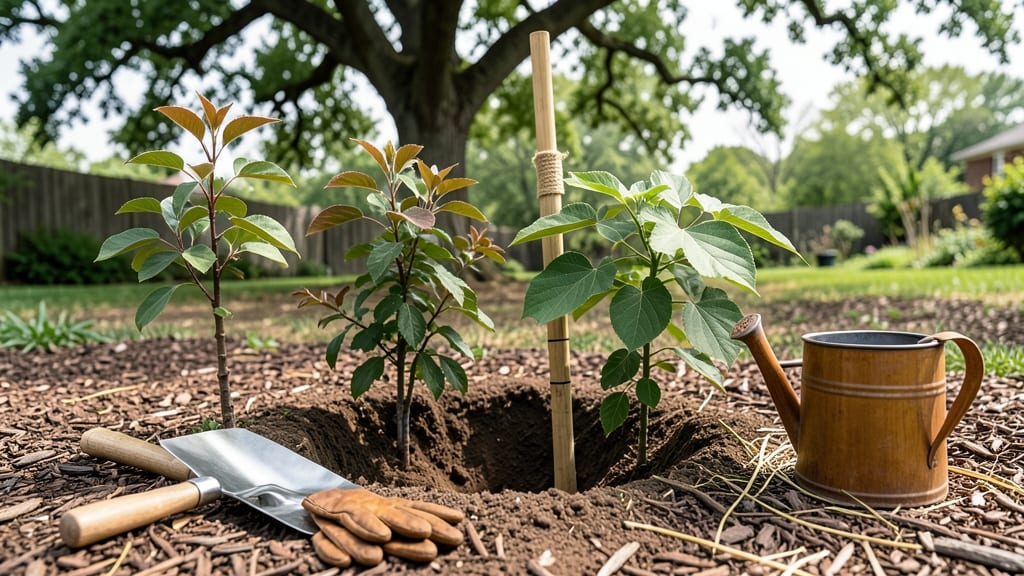
Timing your fruit tree 🍎 planting in Kentucky isn't just about the calendar—it's about matching varieties to chill hours and avoiding frost risks that could doom your investment before it even takes root.
Most Kentucky gardeners know spring is the prime window, but the real secret lies in planting bare-root trees in late winter (February-April) when the ground is workable yet frost-free.
This gives roots 6-8 weeks to establish before buds swell—critical for varieties like apples and cherries that need 600+ chill hours.
Container-grown trees offer more flexibility, letting you plant even in May if you're careful, but they demand extra soil prep and mulching to compensate for delayed root growth. The wrong timing can mean stunted trees, poor fruit sets, or worse—your $100+ investment struggling against Kentucky's unpredictable microclimates.
I'll walk you through the exact planting windows for your favorite varieties, soil prep hacks, and how to read your local frost dates like a pro. Let's get those fruit trees off to the strongest start possible.
Kentucky fruit tree planting timeline by chill-hour requirements
Kentucky’s USDA Zones 6b-7a offer perfect conditions for fruit trees, but timing is everything. The chill-hour requirement—the number of hours below 45°F a tree needs to produce fruit—dictates when you can plant. Most Kentucky varieties need 200–1,000 chill hours, with 400–800 hours being ideal for reliable harvests.
Spring planting (late February–early April) is the gold standard for bare-root trees, while container-grown trees can go in through late fall, as long as the ground isn’t frozen. Fall planting (October–November) is also viable if you choose dormant-season hardy varieties like apples and pears.
Here’s how to match your fruit tree variety to Kentucky’s planting windows based on chill hours:
| Variety | Chill Hours | Best Planting Window | Notes |
|---|---|---|---|
| Apples | 600–900 | Late Feb–early April | Plant Liberty or Jonagold in well-drained soil. |
| Peaches | 400–800 | Mid-March–April | Avoid late frosts; choose Haralson or Reliance. |
| Cherries | 800–1,000 | Late Feb–March | Sweet cherries need full sun and acidic soil. |
| Pears | 300–600 | Late Feb–April | Dwarf varieties like Bartlett thrive in containers. |
| Plums | 200–600 | Late Feb–early April | Early varieties like Stanley ripen before late frosts. |
For USDA Zone 6b (northern KY), aim for late February–March planting to avoid spring frosts. In Zone 7a (southern KY), you can push planting to early April for varieties like peaches and plums with lower chill needs.
Always check your last frost date—Kentucky’s average is March 15, but microclimates (like valleys or hilltops) can shift this by weeks. Use a frost calendar from your local Cooperative Extension office for precision.
Pro tip: Plant bare-root trees in late winter when they’re dormant. This gives roots time to establish before bud break. For container-grown trees, plant anytime except winter, but water deeply to reduce transplant shock.
Soil temperature matters too! Wait until the ground warms to 50°F—use a soil thermometer to check. Cold soil slows root growth and increases disease risk.
Don’t forget to mulch after planting (2–3 inches of organic mulch) to retain moisture and regulate soil temperature. This is especially critical in Kentucky’s hot summers and cold winters.
Kentucky fruit tree planting timeline by chill-hour requirements
Kentucky’s climate—with USDA Zones 6a-7b and 200–1,000+ chill hours—demands precise timing for fruit tree success. Planting too early risks frost heave, while late planting delays root establishment. The best window is late winter to early spring (February–April), when soil thaws but buds haven’t swelled yet.
Chill hours (the number of hours below 45°F needed to break dormancy) vary by fruit type. Apples and pears often need 800–1,000+ hours, while peaches and plums thrive with 300–600 hours. Matching your tree’s chill needs to Kentucky’s climate ensures strong blooms and fruit set.
🌱Pro Tip: Bare-root trees should be planted in dormant season (late winter), while container-grown trees can go in through early spring (March–April). Avoid planting in fall, as roots won’t establish before winter.
| Fruit Type | Chill Hours Needed | Best Planting Time | Notes |
|---|---|---|---|
| Apples | 800–1,000+ | Late Feb–March | Needs deep, well-drained soil |
| Peaches | 300–600 | March–April | Susceptible to late frosts |
| Cherries | 600–1,000 | Late Feb–March | Plant in full sun |
| Pears | 400–800 | March–April | Dwarf varieties ideal for small yards |
| Plums | 300–600 | March–April | Prune in late winter |
For USDA Zone 6a (northern KY), aim for late February to early March planting. In Zone 7b (southern KY), extend the window to March–April to avoid early spring warmth triggering premature bud break. Always check your local last frost date (typically March 15 in most of KY).
After planting, mulch with 3–4 inches of organic mulch (like wood chips) to retain moisture and regulate soil temperature. Water deeply once a week for the first month, then taper to bi-weekly once established. Avoid overwatering—soggy soil can suffocate roots.
🌿Remember: The key to Kentucky fruit tree success is timing + chill-hour matching. Plant at the right time, and your trees will reward you with abundant fruit for decades!