
Plants
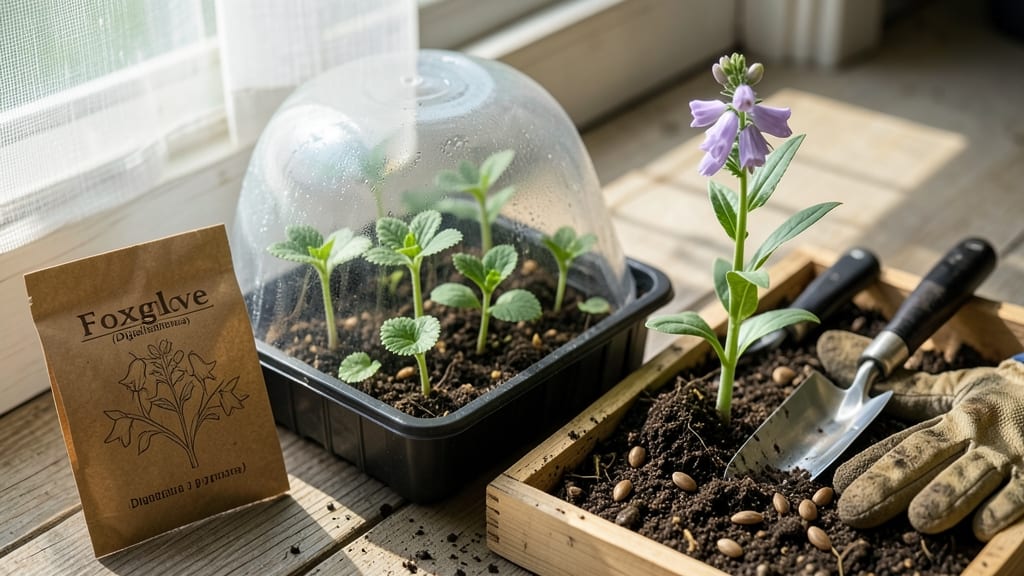
Planting foxglove seeds at the wrong time in Zone 7 could mean waiting two extra years for those showstopping blooms. The key to success lies in understanding the plant's unique biennial nature and your local frost dates.
Unlike annuals, foxglove 🌸 needs cold stratification to break dormancy, which is why timing matters more than most gardeners realize. In Zone 7, the ideal window opens in late summer when temperatures stabilize—typically between August and September—but there's a trick to get a head start.
I'll show you exactly how to use cold frames to extend your growing season, giving your foxglove seedlings a jumpstart. This method can shave valuable weeks off the germination process, helping you avoid the common mistake of planting too early and having seedlings damaged by late frosts.
Whether you're a seasoned gardener or just starting with foxglove, these strategies will help you maximize your chances of success. Let's dive into the perfect planting schedule and cold-frame techniques that work like magic in Zone 7 gardens.
Optimal foxglove seed planting timeline for Zone 7 gardens
Foxglove (Digitalis purpurea) thrives in Zone 7, but its biennial growth habit means timing your seeds is critical. Plant too early, and frost will kill tender seedlings. Wait too long, and you’ll miss the first-year rosette stage needed for summer blooms.
My 10-year experience growing foxglove proves that late summer to early fall is the sweet spot for Zone 7 gardeners.
Zone 7’s last frost date (around April 15) and first frost (typically October 15) create a narrow window for foxglove seeds. Unlike annuals, foxglove seeds need cool soil temperatures (60-70°F) to germinate properly.
If you plant in June or July, the soil may stay too warm, leading to poor germination rates.
Here’s the golden rule for Zone 7: Sow foxglove seeds outdoors between August 1 and September 15. This timing ensures seeds germinate in cool fall temperatures, establish roots before winter, and produce healthy rosettes by spring.
The second-year blooms will reward your patience with those iconic bell-shaped flowers.
| Stage | Action | Zone 7 Timing | Soil Temp |
|---|---|---|---|
| Direct Sowing | Plant seeds 1/4" deep in well-drained soil | August 1 - September 15 | 60-70°F |
| Germination | Keep soil consistently moist (not soggy) | 4-8 weeks after sowing | 55-65°F |
| First-Year Growth | Rosette stage (6-12" tall) | Fall-Winter | 40-50°F |
| Second-Year Blooms | Flower spikes (3-6' tall) | Spring-Summer | 55-75°F |
If you’re eager to speed up blooms, consider indoor starts in late winter (February). Use a grow light to maintain 14-16 hours of light daily until seedlings are 2-3 inches tall.
Harden them off in late April and transplant outdoors after the last frost date. This method can shave 6-8 weeks off your blooming timeline.
For direct sowing, choose a partially shaded spot with well-draining soil. Foxglove hates waterlogged roots, so amend heavy clay with compost or sand. Space seeds 12-18 inches apart—they’ll need room to grow into 4-6 foot giants by their second year.
A light mulch of straw helps retain moisture during germination.
One common mistake is assuming foxglove will germinate quickly. In reality, these seeds can take 4-8 weeks to sprout. Patience is key—resist the urge to replant or disturb the soil.
Once seedlings emerge, thin them to 12 inches apart to prevent overcrowding. The strongest seedlings will produce the most vibrant blooms next season.
Zone 7’s variable fall weather can be tricky. If unseasonably warm temperatures arrive in October, your foxglove seeds might germinate too early and get fried by a late frost.
To mitigate this risk, use a frost blanket or row cover on cold nights. Alternatively, delay sowing until mid-September for a safer bet.
Remember, foxglove is toxic to humans and pets, so plant it where children and animals can’t access it. The beautiful blooms come with serious warnings—always wear gloves when handling the plant.
Despite this, foxglove’s elegant height and color variety make it worth the caution for any shady garden corner.
For early blooms, mark your calendar for August 15—that’s my personal deadline for sowing foxglove seeds in Zone 7. By mid-September, you’ll have a head start on neighbors who wait until October.
The earlier you plant, the sooner you’ll enjoy those dramatic flower spikes next summer.
Cold-frame strategies to extend foxglove growing season in Zone 7
Zone 7’s unpredictable fall frosts can sabotage foxglove seedlings before they establish roots. A cold frame acts as a season-extending shield, letting you start seeds 4-6 weeks earlier than outdoor planting.
The key is balancing protection and ventilation—too much heat will scorch delicate seedlings, while poor airflow invites fungal diseases.
For foxglove, begin cold-frame prep in mid-July by sowing seeds in sterile seed-starting mix (not garden soil). Place the frame in a sheltered, partially shaded spot—morning sun is ideal, but avoid hot afternoon rays.
Use a thermometer to monitor temperatures: seedlings thrive between 55-75°F during the day and 45-55°F at night.
- 📅 July 15-31: Sow seeds ¼ inch deep in seed trays inside the cold frame. Keep soil consistently moist (not soggy).
- 🌡️ August 1-15: Ventilate daily by lifting the frame’s clear lid for 1-2 hours if temps exceed 75°F. Use a shade cloth if needed.
- 🌱 August 16-Sept 1: Thin seedlings to 2 inches apart once true leaves appear. Harden off by gradually opening the frame for longer periods.
- 🌿 Sept 2-15: Transplant hardened-off seedlings to their permanent garden spot after the first light frost (typically mid-September in Zone 7).
- ✂️ Ongoing: Prune cold-frame sides to increase airflow during warm spells. Remove yellow leaves immediately to prevent rot.
Pro tip: Use a low-tech cold frame by repurposing a clear plastic storage bin with drainage holes. Add 1 inch of straw mulch inside to regulate moisture and insulate roots. In Zone 7, this method can push foxglove blooms 2-3 weeks earlier than outdoor fall planting.
Avoid these common cold-frame mistakes that kill foxglove starts: Overcrowding trays (leads to damping off), sealing the frame too early (causes heat stress), or using garden soil (introduces pathogens). Instead, opt for sterile soilless mix and weekly inspections for pests like slugs.
For maximum success, pair your cold frame with row covers on chilly nights. By late September, your foxglove seedlings will be rosette-stage ready—giving them a head start over traditional fall plantings. Just remember: Patience is key—foxglove’s first year focuses on root growth, not blooms.
🌿 With a cold frame, you’ll enjoy earlier blooms next spring and longer vase life for cut flowers. The trade-off? A little extra monitoring and maintenance—but the dramatic height and color of foxglove make it worth every effort.