
Plants
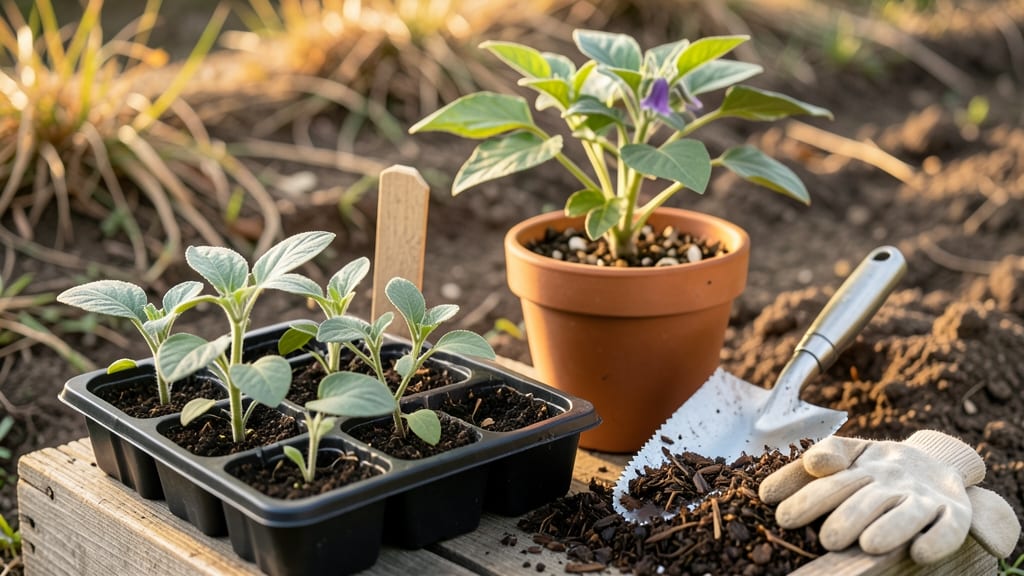
Planting eggplant in California isn’t as simple as tossing seeds into the dirt and hoping for the best—your timing can make or break your harvest.
With USDA zones 9-10 and microclimates ranging from foggy coasts to scorching inland valleys, getting the schedule right is the key to avoiding frost damage or wilting plants before they even fruit.
I’ve grown eggplant in both Zone 10 coastal gardens and Zone 9 desert plots, and the difference in timing is everything. Coastal areas can start as early as March, while inland gardeners should wait until April or May to avoid late-spring chills.
The goal? Warm soil and consistent heat—eggplant hates cold feet.
This guide breaks down the exact windows for starting seeds indoors, transplanting seedlings, and direct sowing, so you can match your method to your microclimate.
Whether you’re in San Diego’s perpetual summer or Sacramento’s unpredictable spring, you’ll know when to plant for a bumper crop of glossy, ready-to-harvest 🍆.
Ready to skip the guesswork? Let’s dive into the heat-zone-specific schedule that’ll have your eggplants thriving—no frost, no stress, just perfect timing.
California eggplant planting zones: when to start indoors vs. direct sowing
Eggplant thrives in California’s warm climates, but timing is everything. Unlike frost-prone states, California’s USDA zones 9-10 offer year-round growing potential—but late-spring cold snaps in inland valleys or coastal fog can still surprise you.
The key? Match your seed-starting timeline to your microclimate’s last frost date (even if rare) and soil temperature thresholds.
For coastal areas (Zone 10), where winters are mild, you can start seeds indoors as early as February for a spring harvest. Inland Zone 9 gardeners should wait until March to avoid transplant shock from lingering cool nights.
Desert regions like Palm Springs (Zone 10b) can even plant directly in late February if soil stays above 70°F.
Here’s how to align your eggplant schedule with California’s heat zones and avoid common pitfalls like transplant shock or bolting from sudden heat:
| Zone/Region | Indoor Start Date | Direct Sow Date | Transplant Date | Soil Temp Threshold |
|---|---|---|---|---|
| Coastal (Zone 10: San Francisco, Santa Barbara) | February 15 | March 15 | April 1 | 65°F+ |
| Inland Valleys (Zone 9: Sacramento, Fresno) | March 1 | April 15 | April 30 | 70°F+ |
| Desert (Zone 10b: Palm Springs, Coachella) | February 1 (or direct sow) | February 28 | March 15 | 75°F+ |
| High Altitude (Zone 8: Mountain Areas) | March 15 | May 1 | May 15 | 60°F+ |
*Adjust dates 1-2 weeks earlier for container gardens (warmer soil).
Pro tip: Use a soil thermometer to confirm readiness—eggplant roots need consistent warmth. If your soil dips below 60°F, delay planting or use black plastic mulch to accelerate warming. This is especially critical in Zone 9, where late-March cold snaps can stall growth.
For direct sowing (skipping the indoor phase), wait until nighttime temps stay above 55°F and soil is 70°F+. Desert gardeners can plant as early as late February, while coastal gardeners should wait until mid-March to avoid root rot from lingering dampness.
Seedlings planted too soon may bolt prematurely when heat arrives.
Remember: Eggplant is a short-season crop in California’s heat. If you’re in Zone 10, aim to transplant by April 15 to harvest before September’s intense heat reduces yields.
Inland Zone 9 gardeners have until May 1 for a similar window. Use shade cloth in summer to protect plants from 100°F+ temps.
One final trick: If you’re in a foggy coastal area, opt for early-maturing varieties (like ‘Black Beauty’) to avoid blossom-end rot from inconsistent sunlight. Pair this with regular calcium supplements to bolster fruit firmness.
🌱
Heat-Zone-specific eggplant varieties for California’s climate extremes
California’s microclimates demand the right eggplant varieties—whether you’re battling coastal fog or desert heat. The wrong choice can mean stunted growth, bitter fruit, or even plant death.
For example, ‘Ichiban’ thrives in Zone 10 deserts like Palm Springs, while ‘Fairy Tale’ stays compact in coastal fog zones like San Francisco. Let’s match your location to the perfect variety.
Your USDA zone and local climate dictate your best bet. In Zone 9 inland valleys (e.g., Sacramento), opt for heat-tolerant varieties like ‘Black Beauty’ or ‘Rosa Bianca’, which handle 90°F+ days without wilting.
Coastal gardeners in Zone 10 should choose disease-resistant types like ‘Hansel’ or ‘Patio Baby’ to avoid fungal issues from humidity.
🌱
🌱 Best Eggplant Varieties by California Region
| Region/Zone | Best Varieties | Why It Works |
|---|---|---|
| Coastal (Zone 10) | ‘Fairy Tale’, ‘Hansel’, ‘Rosa Bianca’ | Compact, disease-resistant, thrives in cooler, humid conditions |
| Inland Valleys (Zone 9) | ‘Black Beauty’, ‘Ichiban’, ‘Patio Baby’ | Heat-tolerant, high-yielding, handles alkaline soil |
| Desert (Zone 9b) | ‘Ichiban’, ‘Long Purple’, ‘Rosa Bianca’ | Extreme heat tolerance, minimal water needs |
| High-Altitude (Zone 8) | ‘Fairy Tale’, ‘Hansel’, ‘Rosa Bianca’ | Shorter season, compact growth, early maturity |
✅ Pro Tip: Adjust planting dates by 2 weeks for high-altitude areas (e.g., Mount Shasta) to avoid late-spring frosts.
Soil prep is just as critical as variety selection. California’s alkaline soil (pH 7.5–8.5) can lock out nutrients. Amend beds with compost and sulfur to lower pH slightly—aim for 6.0–6.8.
Add aged manure or worm castings to improve drainage, especially in clay-heavy inland soils. Mulch with straw to retain moisture and cool roots during summer heatwaves.
For container gardening (ideal for urban areas like Los Angeles or San Diego), choose bush varieties like ‘Patio Baby’ or ‘Fairy Tale’. Use 5-gallon pots with well-draining mix and fertilize every 2–3 weeks with a balanced 5-10-10 blend.
Containers dry out faster, so monitor soil moisture daily during 90°F+ spells.
Timing matters even for the right variety. In Zone 10 coastal areas, start seeds indoors in February for transplants by March 15th. Inland Zone 9 gardeners should wait until April 1st to avoid late-spring cold snaps.
Desert regions can push planting to mid-April, but provide shade cloth until soil warms to 70°F+.
🌿 Remember: Eggplants hate transplant shock. Harden off seedlings for 7–10 days before moving them outdoors, and water deeply the day of transplanting to reduce stress. With the right variety and timing, you’ll harvest glossy, firm fruit from July to October—no matter where you garden in California.