
Trees
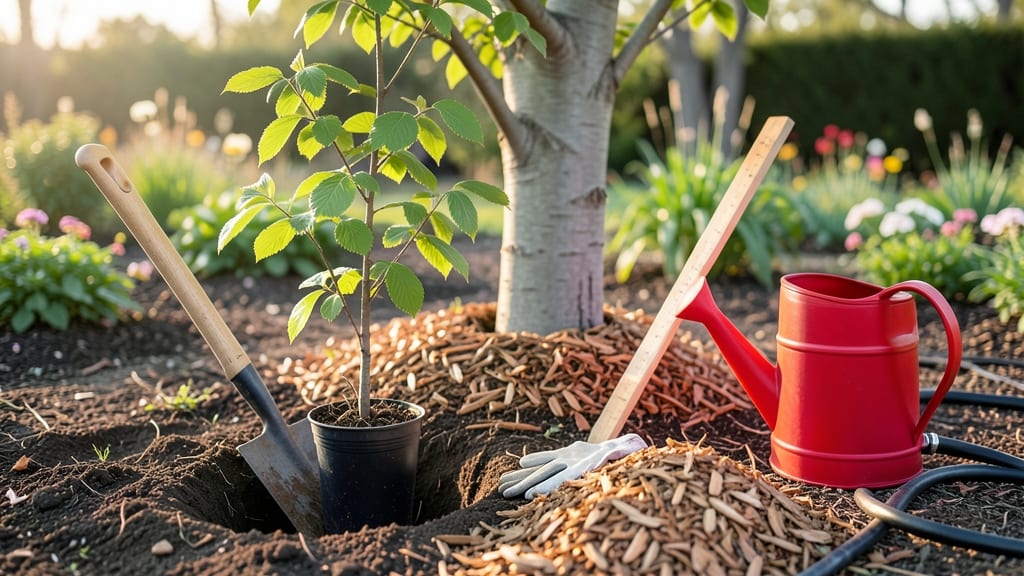
Planting a Dogwood Tree 🌳 in Texas isn’t just about grabbing a sapling—it’s about matching your tree’s chill-hour needs to your local zone to guarantee those stunning spring blooms.
Too early, and your tree might struggle with heat; too late, and it could miss critical root growth before summer’s relentless sun.
The best window for Texas gardeners is late fall to early spring, but the exact timing depends on whether you’re in North or South Texas—and which dogwood variety you’ve chosen.
Most Texas gardeners swear by November to February as the ideal planting window, when soil temperatures drop and rainfall increases. This gives your Dogwood Tree’s roots time to establish before the heat of spring arrives.
But here’s the catch: varieties like ‘Cherokee Brave’ need fewer chill hours than ‘Natchez,’ so your zone matters more than you’d think. In North Texas (8a), you’ve got a wider margin, while South Texas (10b) demands precision.
Why does this matter? Because a well-timed planting means fewer transplant shocks, stronger root systems, and—most importantly—those showstopping spring blooms you’re dreaming of. I’ll walk you through the exact chill-hour requirements for Texas zones, the best dogwood varieties for your area, and how to prep your soil for success.
Let’s get your Dogwood Tree off to the right start.
Ready to plant? The key is balancing dormancy, soil moisture, and your local frost dates. Whether you’re a seasoned gardener or a first-timer, this guide will help you avoid common mistakes and set your Dogwood Tree up for years of beauty. Let’s dive in.
Texas dogwood planting timeline by chill-hour requirements
Dogwood trees thrive in Texas when planted during their dormant season, typically from November to February. This timing ensures roots establish before spring growth begins. However, Texas’ USDA Zones 8a-10b create unique challenges—some areas get 300 chill hours, while others exceed 900 hours.
Matching your dogwood variety to your zone’s chill hours is critical for bloom success.
Northern Texas (Zones 8a-8b) has cooler winters with higher chill hours, making it ideal for classic flowering dogwoods like ‘Cherokee Brave.’ Southern Texas (Zones 9a-10b) has warmer winters, requiring heat-tolerant varieties like ‘Purple Smoke.’ Planting outside these windows risks transplant shock or poor flowering.
Soil temperatures below 60°F signal the perfect planting window. In North Texas, aim for November to early December before the first frost. In South Texas, extend planting to January or early February to avoid early spring heat.
Always check your last frost date—North Texas averages December 15, while South Texas sees frost as late as January 31.
Dogwoods need 6-8 weeks of dormancy after planting to harden off. If you plant in late winter (February), monitor for early spring warmth—new growth before roots establish leads to weak trees. For bare-root saplings, plant by mid-February at the latest to avoid stress.
Chill hours determine which dogwood varieties will thrive. Early-season bloomers (e.g., ‘Cherokee Brave’) need 600-900 chill hours, while heat-tolerant types (e.g., ‘Purple Smoke’) manage with 300-500 hours. Use a chill-hour calculator for your ZIP code to pick the right tree.
For example, Austin (Zone 8b) gets ~800 hours, while Houston (Zone 9a) sees only ~400 hours.
🌱
After planting, mulch with 2–3 inches of organic mulch to retain moisture and regulate soil temperature. In Zone 10b, where winters are mild, focus on shade protection during heatwaves to prevent leaf scorch. Water deeply once weekly for the first year, then taper to bi-weekly once established.
Dogwoods planted in fall (November–December) have the highest success rate because cooler temps reduce transplant shock. If you miss fall, early winter (January) is your second-best window. Avoid planting in late winter (March)—Texas’ unpredictable heat can stress young trees before roots adapt.
Monitor your dogwood’s new growth in spring. Healthy trees will show vigorous buds by April. If growth stalls, it may need more chill hours or better soil drainage. In Zone 9a+, supplement with winter shade cloth if your tree struggles with heat stress.
🌿
Step-by-Step guide: when and how to plant dogwoods in Texas
Now that you’ve matched your dogwood variety to Texas’ chill-hour zones, let’s dive into the exact planting steps for success. The best window for Texas is late fall to early spring, but the method differs slightly between bare-root and container-grown trees.
I’ll walk you through both, plus critical deadlines to avoid transplant shock in our unpredictable climate.
For North Texas (Zones 8a-8b), aim to plant between November 15 and February 15. In South Texas (Zones 9a-10b), shift your timeline to December 1 to January 31—this avoids early spring heat stress.
The key is giving roots time to establish before the 100°F+ summers arrive. Let’s start with soil prep, the foundation of a thriving dogwood.
Next, dig a hole twice as wide as your tree’s root ball but only as deep. This prevents root strangulation from backfilled soil. If planting bare-root, soak the roots in water for 1-2 hours before handling.
For container-grown trees, gently loosen the root ball to encourage outward growth. The goal is to minimize root disturbance—less stress means faster establishment.
Place your dogwood in the hole, ensuring the root flare (where roots meet trunk) sits 1-2 inches above soil level. This prevents stem rot from buried bark. Backfill with native soil mixed with compost (never amended soil) and water deeply to settle it.
Create a 4-inch-high berm around the base to direct water to roots during the first year.
After planting, mulch with 2-3 inches of organic mulch (like pine straw or shredded bark), keeping it 6 inches away from the trunk. Mulch conserves moisture and regulates soil temperature—critical in Texas’ extreme swings.
Water immediately after planting, then weekly for the first month, followed by bi-weekly deep watering during dry spells. Avoid overhead watering to prevent fungal diseases like anthracnose.
Here’s a critical Texas-specific tip: Stake your dogwood only if your area gets strong winds (common in West Texas). Use soft ties and remove stakes after 12 months to avoid girdling.
In the first year, focus on root development—not top growth. Prune only to remove dead or crossing branches; never shape your young tree.
Finally, monitor for early signs of stress: yellowing leaves, wilting, or scorch marks. These often signal overwatering or underwatering. Dogwoods in Texas need consistent moisture but hate soggy roots. Adjust your watering schedule based on rainfall—deep and infrequent beats shallow, frequent watering.
With these steps, your dogwood will establish a strong root system and reward you with vibrant spring blooms for years to come.