
Plants
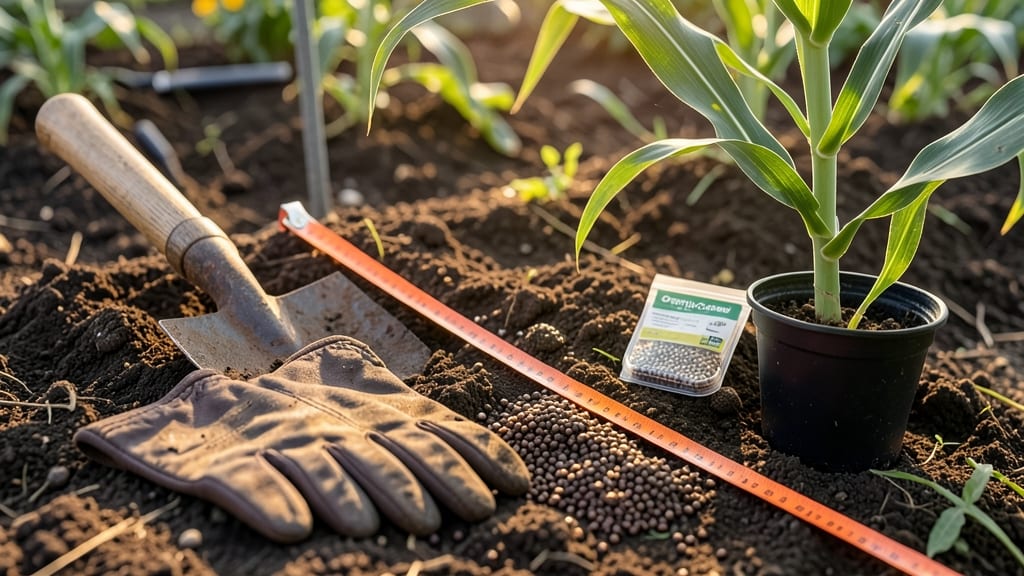
Planting corn in Connecticut at the wrong time means either watching frost nibble your tender seedlings or scrambling to harvest before the first chill sets in. The 60-day window between last frost and first frost is your golden opportunity—and missing it can turn your 🌽 dreams into disappointment.
I’ve grown corn in Connecticut’s Zone 6a for years, and the difference between a bumper crop and a bust comes down to timing. Too early, and frost zaps your plants before they even think about growing; too late, and you’ll be left with underdeveloped ears by September.
The key? Starting seeds indoors in early April or planting directly after the mid-April average last frost, with varieties chosen to mature before the first frost in mid-October.
But here’s the catch: not all corn is created equal. Early-season varieties like ‘Early Sunglow’ can handle a late start, while late-season ‘Golden Bantam’ needs every warm day to reach full potential.
I’ll break down the best types for Connecticut’s short growing season and how to stretch your harvest window—because nobody wants to skip a single ear of sweet corn!
Ready to turn your backyard into a cornfield? Let’s dive into the exact planting dates, soil prep secrets, and variety picks that’ll have you picking ears from July through September—no guesswork, just golden kernels.
Connecticut corn planting deadlines by last frost date
Connecticut’s three distinct climate zones—coastal, inland, and northern—create varying frost-free windows for corn. The average last frost date shifts from mid-April in coastal areas to late April in northern regions, meaning your planting timeline must adapt.
Missing this window risks frost damage to tender seedlings or late harvests before fall frosts arrive.
For sweet corn varieties, which mature in 60-90 days, timing is critical. Plant too early, and cold soils delay germination; too late, and shortened growing seasons prevent full maturity. Connecticut’s 165 frost-free days demand careful variety selection and precise planting dates to maximize yield.
Here’s how to align your planting with Connecticut’s three climate zones and corn maturity groups:
Soil temperature is just as critical as air temperature. Corn seeds won’t germinate until soil reaches 50°F (10°C), but ideal germination occurs at 60°F (15°C) or warmer. Use a soil thermometer to confirm readiness—especially in northern Connecticut, where cooler soils delay planting.
For extended harvests, stagger plantings every 2 weeks within your zone’s window. This ensures a continuous supply of fresh ears from July through September, avoiding the risk of all plants maturing at once and overwhelming your kitchen (or market stand!).
Watch for unpredictable late frosts, common in Connecticut’s microclimates. Coastal areas may warm faster, while inland valleys can hold frost longer. Sign up for local frost alerts from the National Weather Service to adjust your planting schedule dynamically.
If your last frost date arrives early, opt for early-maturing varieties or use row covers to protect seedlings. Conversely, if frost lingers, delay planting until soil temperatures stabilize—even if it means shifting to shorter-season varieties.
Pro tip: Plant a test row 1-2 weeks before your zone’s ideal window. If seedlings emerge without frost damage, you’ve found your personalized safe date for full-scale planting.
Never underestimate Connecticut’s variable weather. A late-May frost can devastate unprotected corn, while early June heatwaves may stress seedlings. Balance risk and reward by aligning your planting with historical data and current conditions.
Best corn varieties for Connecticut gardens and their ideal planting times
Choosing the right corn variety is just as important as timing in Connecticut’s USDA Zone 6a. The state’s short growing season means you’ll want varieties that mature quickly—typically between 60 to 120 days—while also thriving in our cool springs and warm summers.
Sweet corn, dent corn, and flint corn each have their strengths, and selecting the right one ensures a bountiful harvest.
For Connecticut gardens, I recommend focusing on early- to mid-season varieties that can handle our variable weather patterns. Early varieties like 'Early Sunglow' (70 days) are perfect for coastal areas with cooler temperatures, while mid-season varieties such as 'Silver Queen' (80 days) work well inland.
Late-season varieties, like 'Black Aztec' (120 days), are riskier but can work in southern Connecticut with proper care.
Here’s how to match varieties to your location and planting window:
| Variety | Days to Maturity | Best Planting Window | Heat Tolerance | Notes |
|---|---|---|---|---|
| Early Sunglow | 70 days | Late April to early May | Moderate | Sweet, early harvest; ideal for coastal CT |
| Silver Queen | 80 days | Mid-April to late May | High | Classic sweet corn; great for inland areas |
| Black Aztec | 120 days | Late April (southern CT only) | Very High | Flint corn; requires long season |
| Bodacious | 85 days | Mid-April to early May | High | Super sweet; resistant to pests |
When selecting varieties, prioritize those with disease resistance and short days-to-maturity to account for Connecticut’s unpredictable weather. For example, 'Bodacious' is a favorite because it’s super sweet and matures quickly, giving you a head start on the harvest season.
If you’re growing corn for animal feed or hominy, flint varieties like 'Black Aztec' are excellent but require a longer season.
Pro tip: Plant multiple varieties with staggered maturity dates to ensure a continuous harvest from July through September. This way, you’ll always have fresh ears ready to pick, even if early frosts threaten your late-season plants.
Pair early varieties like 'Early Sunglow' with mid-season types like 'Silver Queen' for the best results.
Always check seed packets for specific planting instructions, as some varieties may require slightly different spacing or soil conditions. For instance, dent corn often needs more space between plants than sweet corn to ensure proper pollination.
With the right variety and timing, you’ll be enjoying homegrown corn on the cob in no time!