
Plants
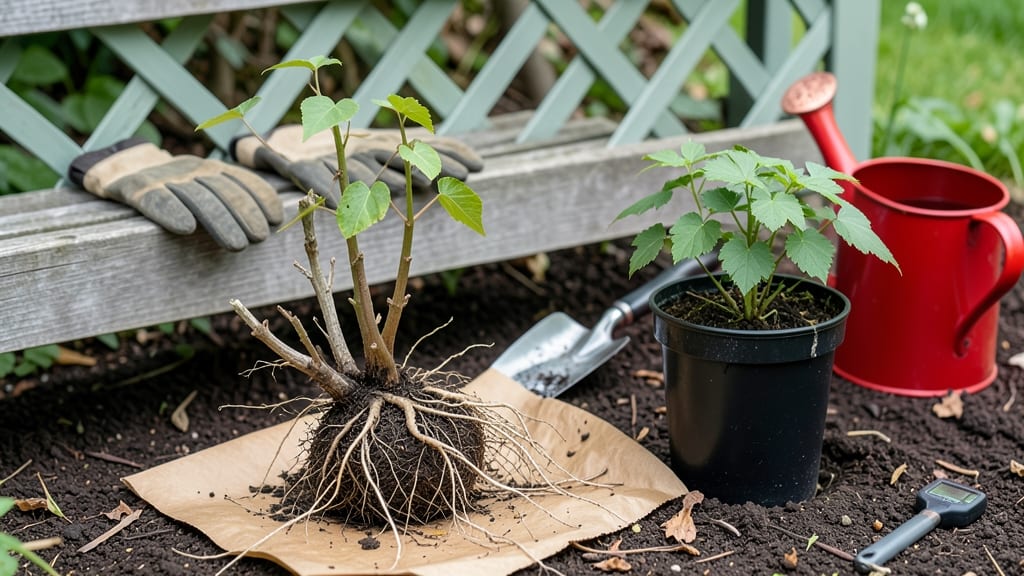
Planting clematis in Texas isn’t just about picking a date—it’s about outsmarting the heat and avoiding the costly mistake of scorched vines or stunted growth.
With the right timing, your 🌸 clematis can thrive in zones 8a-10a, but get it wrong, and you’ll battle wilting before the first bloom even appears.
Most Texas gardeners swear by fall planting—between September and November—when soil stays warm but temperatures dip just enough to prevent shock. Early spring, from February to March, is your backup plan, but the clock is tighter here, especially in South Texas where heat arrives early.
Why does this matter? Clematis roots need time to establish before summer’s brutal sun hits, and planting too late means struggling with drought stress. I’ll break down the exact windows for your region, plus the heat-tolerant varieties that actually perform in 100°F+ conditions—no guesswork, just proven results.
Ready to skip the trial-and-error? Let’s dive into the perfect planting strategy so your clematis grows strong, blooms bold, and survives Texas summers without a fight.
Best planting months for clematis in Texas by USDA zone
Texas spans USDA Zones 7-10, meaning clematis planting windows vary dramatically from North to South. In Zone 7a (North Texas), your last frost typically hits around January 15, while Zone 10a (South Texas) rarely sees frost at all.
This means timing your plantings to avoid 100°F+ summer heat is critical—too early, and roots scorch; too late, and vines struggle to establish before winter.
For most of Texas, fall planting (September-November) is ideal because cooler temperatures and consistent rainfall give roots time to establish before summer’s brutal heat. Early spring (February-March) is your second-best window, but act fast—once temperatures climb above 85°F, young clematis roots can suffocate.
Here’s the breakdown by zone to avoid heat stress and maximize survival rates:
| USDA Zone | Best Planting Window | Avoid Planting After | Key Microclimate Tip |
|---|---|---|---|
| 7a-7b (North Texas: Amarillo, Lubbock) | September 15 – October 31 | April 15 (soil temps >80°F) | Use black plastic mulch to warm soil in spring. |
| 8a-8b (Central Texas: Austin, San Antonio) | September 1 – November 15 | March 1 (heat stress risk) | Plant near east-facing walls for morning sun. |
| 9a-9b (South Texas: Houston, Corpus Christi) | August 15 – October 15 | February 1 (humidity + heat) | Prioritize afternoon shade with lattice. |
| 10a (Deep South Texas: Brownsville) | July 1 – August 31 | Never plant in winter (too dry). | Use drip irrigation for consistent moisture. |
If you’re in North Texas (Zones 7-8), focus on fall planting—the cooler temps and higher humidity give roots a fighting chance before summer.
In South Texas (Zones 9-10), you’ve got a narrower window, but planting in late summer lets you beat the worst heat while still allowing roots to establish before winter dormancy.
Pro tip: Acclimate container-grown clematis for 7–10 days before planting by placing them in partial shade outdoors during the day and bringing them in at night. This hardens their roots for Texas’ temperature swings.
For spring planting, time it so soil temperatures stay below 70°F—use a soil thermometer to check. In Central Texas, this usually means planting by mid-March, while in North Texas, you can stretch it to late March.
One common mistake? Planting clematis too deep. Bury the crown 2–4 inches below soil to protect it from heat, but avoid covering the first set of buds—they’ll need sunlight to sprout. Pair this with a 3-inch layer of mulch to retain moisture and regulate soil temperature.
Texas’ unpredictable weather means flexibility is key. If a heatwave hits 100°F+ during your planting window, delay until temps drop below 90°F. Your clematis will thank you with vibrant blooms and lush vines come next season. 🌸
Best planting months for clematis in Texas by USDA zone
Texas spans USDA zones 8a-10a, which means your clematis planting window depends heavily on where you live.
In North Texas (8a-8b), like Dallas or Fort Worth, you’ve got a slightly longer fall window than South Texas, where 9a-10a zones (Houston, San Antonio) demand earlier action to beat the heat.
For most Texas gardeners, fall planting (September–November) is the gold standard. The soil stays warm enough to encourage root growth, but daytime temps are cooling—ideal for 6-8 week root establishment before summer’s brutal heat arrives.
If you miss fall, early spring (February–March) is your second chance, but the window is tighter in South Texas.
Here’s the breakdown by zone: North Texas gardeners can plant as late as mid-November, while South Texas should wrap up by early November to avoid winter stress. Spring planters in North Texas have until mid-April, but South Texas must be done by mid-March or risk heat shock.
| USDA Zone | Fall Planting Window | Spring Planting Window | Key Consideration |
|---|---|---|---|
| 8a-8b (North Texas) | September 15–November 15 | February 1–March 31 | Longer fall window; first frost risk after Nov 15 |
| 9a (Central Texas) | September 1–November 1 | January 15–March 15 | Heat arrives early; prioritize shade |
| 9b-10a (South Texas) | August 15–October 31 | February 1–March 15 | Plant early to escape summer heat |
Microclimates matter too! If you’re in a urban heat island (like downtown Houston), plant 4-6 weeks earlier than the zone average. Conversely, rural areas with cooler nights can stretch fall planting by 2-3 weeks.
Always check your last frost date—North Texas averages January 15, while South Texas rarely sees frost.
Pro tip: For container-grown clematis, you can plant up to 2 weeks later in fall because roots establish faster in pots. Just ensure your container has drainage holes and use moisture-retentive soil to combat Texas’ drying winds.
Timing isn’t just about months—it’s about soil temperature. Aim for 60–70°F soil temps at planting depth (6 inches). Use a soil thermometer if unsure; cooler soils slow root growth, while warmer soils can stress young plants.
In South Texas, August planting is risky unless you’re using shade cloth to protect seedlings.