
Plants
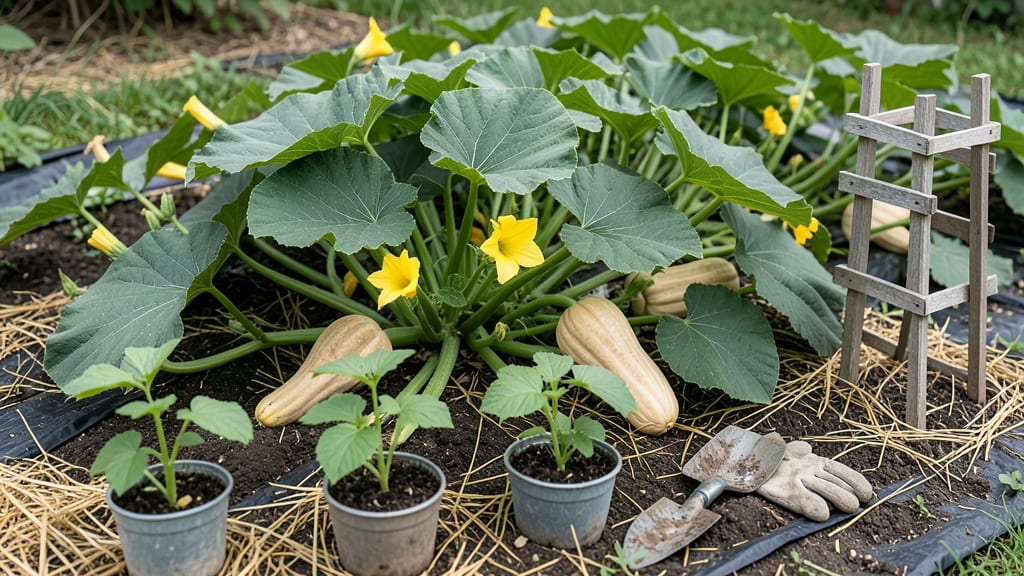
Planting butternut squash 🎃 in Florida isn’t just about throwing seeds in the dirt—it’s about timing those seeds perfectly to beat the heat and humidity while avoiding the rare but possible chilly surprises.
Skip the guesswork and you’ll end up with robust vines and sweet, plump squash instead of wilted disappointment.
Florida’s frost-free zones (9a-11) give you two prime windows: spring and fall, but the calendar isn’t your only guide. Soil temperatures matter more than dates—wait until the ground hits a steady 60°F before planting, or your seeds will languish.
I’ll break down the exact months that work best, whether you’re starting from seed or using transplants.
You might think Florida’s heat is the enemy, but with the right timing, it’s actually your ally. The key is planting early enough to avoid the brutal summer sun while still giving your butternut squash enough time to mature before the rare late-season cools.
Let’s dive into the best months to plant for zero-frost success.
From spacing your vines to choosing the right variety, I’ll cover everything you need to know to turn your Florida garden into a butternut squash powerhouse. No more second-guessing—just a foolproof plan for a bountiful harvest.
Optimal planting months for Florida’s climate zones (with frost-free deadlines)
Florida’s frost-free growing season is a gardener’s dream, but timing your butternut squash 🎃 planting still requires precision. Unlike northern states, you won’t face frost threats in most of Florida—except in North Florida (Zone 8A), where rare late-winter freezes can sneak in.
The rest of the state (Zones 9A-11) enjoys year-round growing potential, but heat and humidity demand strategic planting.
Your two best windows are spring (March-April) and fall (July-August). Spring planting gives you a head start before summer’s brutal heat, while fall planting avoids the worst of it. Let’s break down the exact months for each Florida zone to maximize your harvest without stressing your plants.
🌱 Soil temperature is your #1 guide—wait until the ground reaches a steady 60°F before planting. A soil thermometer is your best friend here; Florida’s sandy soils warm up fast, but cooler pockets can delay germination. For transplants, aim for 70°F+ soil to ensure root establishment.
🌡️ Florida Planting Windows by Zone
| Zone | Spring Planting Window | Fall Planting Window | Soil Temp Threshold | Frost Risk |
|---|---|---|---|---|
| 8A (North FL) | Mid-March to early April | Late July to early August | 60°F+ (65°F+ for transplants) | Possible Dec 15-Jan 15 |
| 9A (Central FL) | Late February to mid-April | Late June to early September | 60°F+ (70°F+ for transplants) | Rare (light freezes) |
| 10A (South FL) | January to May | May to October | 60°F+ year-round | None |
| 10B-11 (S. FL Keys) | Year-round (best Jan-Apr) | Year-round (best Jun-Sep) | 60°F+ year-round | None |
💡 Pro Tip: Use black plastic mulch to warm soil faster in cooler months (like February in North FL).
Direct sowing is ideal for Florida’s heat, but transplants can give you a 2-week head start in cooler zones (8A-9A). If you choose transplants, harden them off for 7-10 days before setting them out—Florida’s intense sun can shock tender seedlings.
Look for 3-4 week old plants with 2-3 true leaves for best results.
For spring planting, aim to have your squash mature before summer’s peak heat (June-August). Butternut squash thrives in 75-85°F temperatures, but anything above 90°F can stress vines. Planting in March-April gives you a harvest window of October-December, just as Florida’s weather cools slightly.
Fall planting is all about beating the summer heat. Start seeds in late July-August for a January-March harvest. This avoids the worst of summer’s oppressive heat while still giving your plants enough time to mature.
In South Florida (Zones 10B-11), you can even plant year-round, but August-September is your sweet spot for fall harvests.
🌡️ Heat stress is your biggest enemy in Florida. If you plant too late in spring (after May), your squash may bolt (go to seed) before maturing. Similarly, fall plantings after September 15 risk heat stress as temperatures climb again.
Always check your local extended forecast—a sudden heatwave can derail even the best-laid plans.
One Florida-specific hack? Shade cloth (30-50%) during the hottest months (June-July) can protect young plants. Stake vines vertically to improve airflow and reduce fungal risks. And never skip mulching—straw or black plastic keeps roots cool and conserves moisture in our sandy soils.
Optimal planting months for Florida’s climate zones (with frost-free deadlines)
Florida’s frost-free zones (8A-10A) give you two clear windows to plant butternut squash: spring and fall. But don’t just pick a month—soil temperature is your real deadline. Aim for 60°F+ soil to ensure strong germination and vine growth.
In North Florida (zones 8A-8B), where rare frost can sneak in by December, your last chance is early September for a fall harvest.
For South Florida (zones 9A-11), you’ve got more flexibility. You can even squeeze in a late summer planting (August) if you’re using fast-maturing varieties. The key is avoiding the peak summer heat (June-August), which stresses young plants.
I’ve planted in July before, but only with shade cloth and extra water—it’s a gamble unless you’re experienced.
Here’s the breakdown by zone and season to maximize your harvest:
| Zone | Best Planting Window | Soil Temp Threshold | Frost Risk | Harvest Window |
|---|---|---|---|---|
| 8A (North FL) | Mid-March to early May | 60°F+ | Low (Dec frost rare) | Oct-Dec |
| 8A (North FL) | Late July to early Sept | 60°F+ | Very Low | Jan-Mar |
| 9A-10A (Central/South FL) | February to early April | 60°F+ | None | Sept-Nov |
| 9A-10A (Central/South FL) | August to early Sept | 60°F+ | None | Dec-Feb |
Direct sowing works best for Florida’s heat, but if you’re using transplants, start them indoors 3-4 weeks before your target planting date. Harden them off gradually to avoid transplant shock.
I’ve had the best luck with transplants in March and August—these months give your squash enough time to mature before summer’s brutal heat or winter’s rare cools.
Pro tip: Use a soil thermometer to confirm temperatures. Sandy Florida soil heats up fast, and planting too early can lead to poor germination. Wait for that 60°F mark, and you’ll see faster vine growth and bigger yields. Trust me, your future squash will thank you!
Once you’ve nailed the timing, the next step is choosing the right variety for Florida’s humidity. Some squash varieties wilt under our heat, while others thrive. I’ll cover the top 5 Florida-friendly butternut squash varieties in the next section—stay tuned!