
Plants
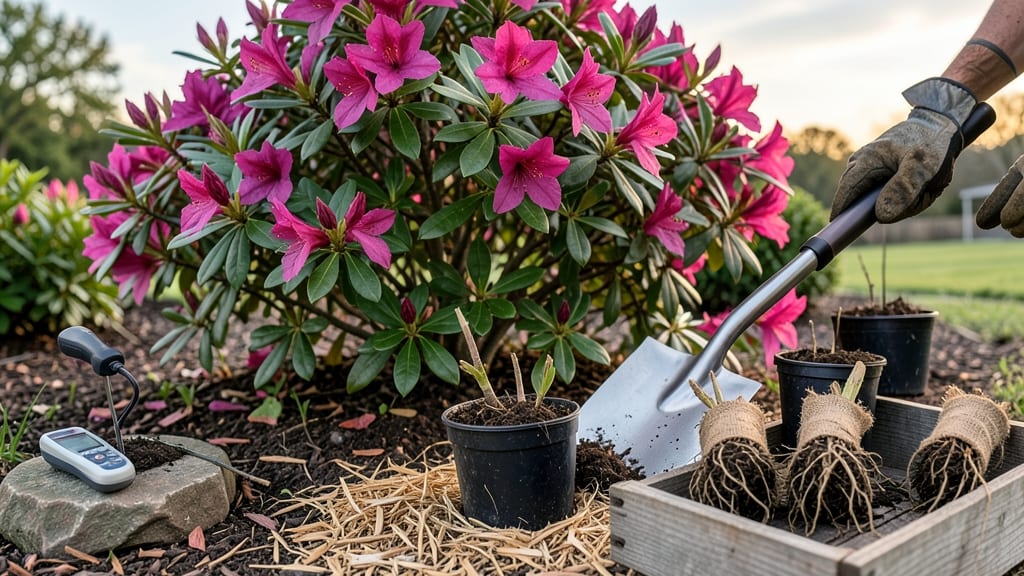
Planting azaleas in Oklahoma isn't just about picking a date—it's about matching your 🌸 variety to the state's unique chill-hour zones to guarantee those showstopping spring blooms.
The wrong timing could leave your shrubs struggling through harsh winters or wilting in summer heat, but get it right, and you'll enjoy vibrant color for years.
Most Oklahoma gardeners swear by planting in fall (October-November) or early spring (March-April), when temperatures are mild and roots can establish before extreme conditions.
However, whether you're in the cooler 6a zones of northern Oklahoma or the warmer 8a areas in the south, your chill-hour needs differ dramatically—and that means adjusting your planting window.
I've learned the hard way that rushing azaleas into the ground too early risks frost damage, while waiting too late can stress young plants before winter. The key is understanding your specific microclimate and choosing varieties that thrive in your zone's chill hours.
Let me show you exactly how to time it perfectly for lush, healthy growth.
From preparing acidic soil to avoiding common mistakes, this guide will walk you through every step to ensure your azaleas take root strong and bloom beautifully. Whether you're a first-time gardener or a seasoned pro, these tips will help you grow azaleas that steal the show in Oklahoma's spring landscape.
Oklahoma’s azalea planting timeline by chill-hour zones
Oklahoma’s diverse climate spans USDA zones 7a-8b, creating distinct planting windows for azaleas. The key? Chill-hour requirements—most azaleas need 300-900 hours below 45°F to bloom. Southern Oklahoma (zone 8a) gets fewer chill hours than northern areas (zone 7a), so variety selection matters.
For Southern Oklahoma (zone 8a), focus on low-chill varieties like 'Southern Indica' (300-500 chill hours). These thrive when planted in late fall (November) or early spring (March) to avoid summer heat stress.
Northern Oklahoma (zone 7a) can handle higher-chill varieties like 'Girard’s' (900+ chill hours), planted as early as October.
Central Oklahoma (zone 7b) bridges the gap—plant mid-chill varieties like 'Rusty' (500-700 chill hours) in October-November for root establishment before winter. Never plant after April 15, as Oklahoma’s last frost typically hits then, risking transplant shock.
| Oklahoma Region | USDA Zone | Best Planting Months | Chill-Hour Range | Key Tip |
|---|---|---|---|---|
| Southern OK | 8a | November or March | 300-500 | Avoid summer heat stress |
| Central OK | 7b | October-November | 500-700 | Mulch heavily for winter |
| Northern OK | 7a | October | 900+ | Plant early for root growth |
Fall planting (October-November) is ideal because cooler temps reduce transplant shock, and azaleas establish roots before Oklahoma’s summer heat.
If you miss fall, early spring (March) is your second chance—just ensure soil isn’t frozen or soggy. Late spring planting (after April 15) risks heat stress and poor root development.
For container-grown azaleas, adjust timing slightly: plant 1-2 weeks earlier in fall or 1-2 weeks later in spring to account for their slower root establishment. Bare-root azaleas need immediate watering after planting to prevent root desiccation—a critical step in Oklahoma’s dry winds.
Monitor your local last frost date (typically April 15 in most of Oklahoma) to avoid planting too late. Use a frost calendar from your county extension office for precise timing. Pro tip: Plant on a cloudy day to reduce stress on the roots.
Oklahoma’s summer heat (often exceeding 90°F) can scorch newly planted azaleas. Mulch with 2-3 inches of pine bark to retain moisture and regulate soil temperature. Water deeply (1-2 gallons per plant) immediately after planting, then weekly for the first month to encourage root growth.
In Northern Oklahoma (zone 7a), where winters are colder, prioritize hardy varieties like 'Korean Azalea' (1,000+ chill hours). These can handle snow cover but still need well-draining soil to avoid root rot. Southern varieties in this zone may struggle to bloom reliably.
If you’re in transition zones (e.g., Oklahoma City), consider intermediate varieties like 'Formosa' (500-600 chill hours). These adapt better to variable chill hours and still produce vibrant blooms. Test your soil’s pH (ideal: 4.5-6.0) before planting—Oklahoma’s native soil is often too alkaline for azaleas.
Remember: Azaleas planted in fall often bloom earlier and more vigorously than spring-planted ones. The extra root growth over winter gives them a head start. Plan ahead—order your azaleas in late summer so they arrive ready for fall planting.
Best azalea varieties for Oklahoma’s climate and when to plant them
Oklahoma’s diverse climate means not all azaleas thrive equally. The key to vibrant blooms lies in choosing cold-hardy varieties that match the state’s chill-hour zones. Southern Oklahoma’s milder winters favor Southern Indica types, while Northern Oklahoma’s chillier nights suit Girard’s hybrids and Rusty azaleas.
Timing matters just as much as variety selection. Most Oklahoma gardeners plant in early fall (October-November) or early spring (March-April), but late-season bloomers like ‘Hino Crimson’ need extra care to survive winter’s chill. Let’s break down the best varieties and their ideal planting windows for Oklahoma’s unique growing conditions.
🌸
| Variety | Chill-Hour Range | Best Planting Months | Bloom Time | Notes |
|---|---|---|---|---|
| Southern Indica (e.g., 'George L. Taber') | 300-700 hours | October-November | Spring | Best for Southern OK (Zones 7b-8a) |
| Girard’s Hybrid (e.g., 'Ralph S. Moore') | 700-1,000 hours | March-April | Late Spring | Cold-hardy for Northern OK (Zones 6b-7a) |
| Rusty Azalea (Rhododendron rusticum) | 1,000-1,500 hours | October-November | Early Summer | Toughest for OK winters; plant early |
| Hino Crimson | 500-800 hours | March-April | Late Spring | Late bloomer; needs winter protection |
For Southern Oklahoma (Zones 7b-8a), focus on Southern Indica varieties like 'George L. Taber' or 'Hershey’s Red'. These thrive with 300-700 chill hours and bloom reliably in spring. Plant them in October-November to establish roots before winter rains.
In Central and Northern Oklahoma (Zones 6b-7a), opt for Girard’s hybrids or Rusty azaleas. These varieties handle 700-1,500 chill hours and should be planted in March-April to avoid early frost damage. Mulch heavily around the base to insulate roots during Oklahoma’s unpredictable winter swings.
Pro tip: If you’re in a microclimate with early frosts (like the Arbuckle Mountains), delay spring planting until mid-April to give young plants time to harden off. Always check your local USDA zone for precise timing adjustments.
🌿