
Plants
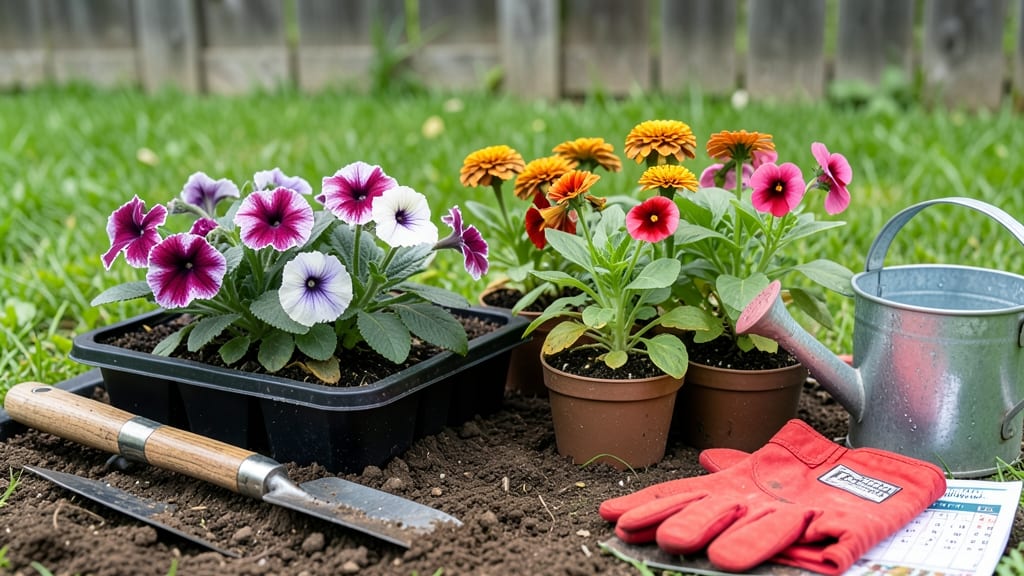
Planting annuals in Michigan isn’t just about grabbing seeds and sticking them in the dirt—it’s about catching that sweet spot between frost and summer heat. Miss the window, and your 🌸 blooms or veggies could be toast before they even take root.
Whether you're in Zone 5b’s cooler north or Zone 6a’s slightly milder south, timing makes all the difference.
Most gardeners in Michigan wait until mid-April to mid-June for spring plantings, but don’t let that date fool you—your last frost can vary by weeks depending on where you live. Even experienced growers double-check frost-free calculators to avoid the heartbreak of wilted seedlings.
The good news? You get a second chance in late July for fall-blooming varieties, extending your garden’s life well into October.
What if you’re new to this? No problem. I’ll walk you through exactly when to plant your favorites—from fast-growing marigolds to heat-loving zinnias—plus how to prep your soil and protect young plants from unexpected cold snaps.
Think of this as your cheat sheet to a longer, more vibrant growing season without the guesswork.
Ready to turn your Michigan garden into a year-round showstopper? Let’s break down the precise timing and pro tips so you can plant with confidence, whether you’re a beginner or a seasoned green thumb.
Michigan last frost dates by region: exact timing for annual planting
Michigan’s Zone 5b/6a climate means your last frost date can swing by weeks depending on where you garden. In northern Michigan (Zone 5b), expect your last frost around May 15–20, while southern Michigan (Zone 6a) typically sees frost-free conditions by May 1–10.
These dates are your golden ticket for planting warm-season annuals like marigolds and tomatoes safely.
But here’s the catch: microclimates throw a wrench into these averages. Gardens near Lake Michigan or in urban areas with concrete heat retention may warm up 1–2 weeks earlier than rural spots. Always check your local Almanac frost-free date or use the Michigan State University Extension calculator for precision.
🌱 Pro Tip: Start seedlings 4–6 weeks indoors before your last frost date to hit the ground running. For example, if your frost date is May 10, begin sowing petunias or impatiens around April 1–15 under grow lights.
| Region | Last Frost Date | First Frost Date | Planting Window |
|---|---|---|---|
| Northern Michigan (Zone 5b) | May 15–20 | October 1–10 | May 20–June 15 |
| Southern Michigan (Zone 6a) | May 1–10 | October 10–20 | May 10–June 10 |
| Lakeside Areas (e.g., Traverse City) | May 5–12 | October 5–15 | May 12–June 5 |
🌡️ Adjust for elevation: Higher elevations (e.g., Upper Peninsula) add 1–2 weeks to frost dates.
For cool-season annuals like lettuce or pansies, you can plant as early as March 15–April 1 in southern Michigan or April 15–May 1 in the north. These hardy plants tolerate light frosts and even 28°F temperatures if covered.
Test your soil temperature with a soil thermometer—it should hit 40°F+ for cool crops and 60°F+ for warm-season plants.
Don’t forget fall planting! Many annuals, like cosmos and zinnias, thrive when sown in late July to early August. They’ll bloom until the first frost, giving you extra color when summer wanes. Just aim to plant 8–10 weeks before your first frost for full-season enjoyment.
If you’re starting from seed, use the "days to maturity" label on packets to reverse-calculate planting dates. For example, a 60-day tomato needs to be in the ground by July 15 in Zone 5b to ripen before frost.
For direct-sown seeds like beans, wait until soil is at least 60°F—usually late May to early June.
Urban gardeners in Detroit or Grand Rapids can push limits with heat-retaining materials like black plastic mulch, which warms soil 5–10°F faster than bare earth. This lets you plant 2 weeks earlier in spring or extend fall harvests by a month.
Just monitor nighttime temperatures—if they dip below 50°F, cover young plants with frost cloth.
For container gardening, containers warm up faster than in-ground beds, so you can plant 1–2 weeks earlier. Place pots near south-facing walls or use self-watering containers to maintain consistent moisture. Just ensure pots have drainage holes to prevent root rot in Michigan’s humid summers.
Track your local frost dates year-round using the Michigan State University Extension’s frost calendar or apps like PlantNet. These tools send alerts when it’s safe to plant, so you’ll never miss a window.
And if you’re new to gardening, start with fast-growing annuals like bush beans or radishes—they forgive minor timing mistakes better than finicky tomatoes or peppers.
Best annual flowers and vegetables for Michigan’s short growing season
Michigan’s short growing season demands smart choices for annuals that thrive quickly and handle cool springs or early frosts. I’ve curated a list of fast-growing flowers and vegetables that bloom or harvest before frost, plus cool-tolerant varieties to extend your season.
These picks ensure vibrant gardens from May through October—even in Zone 5b’s chillier climates.
For spring planting, prioritize cool-season annuals like snapdragons and lettuce, which tolerate light frosts and mature fast. In summer, switch to heat-lovers like zinnias and bush beans. My top recommendations balance speed, hardiness, and Michigan’s 150-day frost-free window—perfect for beginners and pros alike.
🌱
🌸 Fastest Annuals for Michigan Gardens
- 🌻 Marigolds – 30–45 days to bloom; repel pests and thrive in poor soil. Plant after last frost (mid-April) for continuous color.
- 🌼 Zinnias – 60–70 days to flower; drought-tolerant and attract pollinators. Start seeds indoors in March or direct-sow in May.
- 🥬 Bush Beans – 50–60 days to harvest; plant after soil warms (60°F) in late May. Succession plant every 2 weeks for steady yields.
- 🌷 Snapdragons – 70–80 days to bloom; cool-season tough. Sow seeds indoors in March or direct-sow in April for early flowers.
- 🍅 Cherry Tomatoes – 60–70 days to fruit; use row covers for early starts. Transplant after last frost (mid-May) in full sun.
Pro tip: Stagger plantings every 2–3 weeks for continuous blooms or harvests. For example, sow cosmos seeds in May and June to enjoy flowers from July through frost. This trick works for basil, bush beans, and nasturtiums too!
For fall gardens, focus on cool-tolerant annuals like pansies (plant in August) or kale (direct-sow in July). These handle light frosts and add late-season color or harvestable greens until October. Just avoid tender varieties like petunias after mid-July.
🌿