
Plants
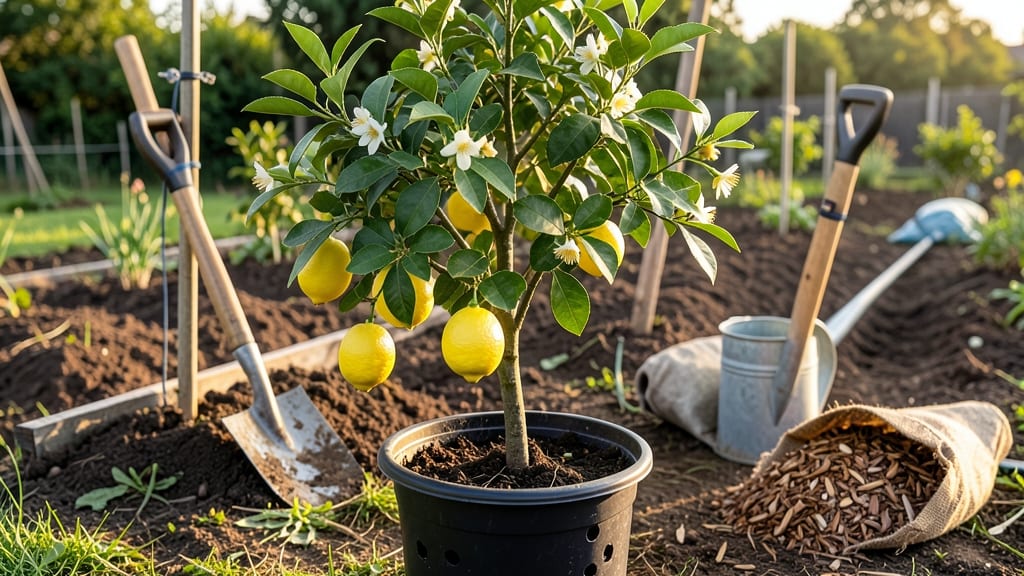
To plant a lemon tree in California and guarantee it thrives, timing isn’t just important—it’s the difference between a bountiful harvest and a struggling sapling. Whether you're in frost-prone inland zones or coastal areas with mild winters, the best months depend on your region’s chill hours and microclimate.
Skip the wrong season, and you risk poor root growth or frost damage that could set your tree back for years.
Most California gardeners swear by planting in late winter or early spring—after the last frost has passed in inland areas like the Central Valley (typically March) or year-round in frost-free coastal zones like San Diego.
But here’s the catch: your lemon tree’s variety matters just as much as the calendar. Cold-hardy types like ‘Eureka’ can handle 30°F dips, while heat-loving ‘Meyer’ lemons need protection from scorching inland summers.
If you’re planting in containers—a smart move for urban spaces—you’ve got more flexibility, but you’ll still need to match your tree’s needs to your climate. Soil prep is another game-changer: lemon trees demand well-draining, slightly acidic soil and full sun (at least 6-8 hours daily).
One wrong move here, and even the best timing won’t save your tree.
Let’s break down the exact steps for your region, from choosing the right variety to avoiding common pitfalls that derail lemon trees before they even take root. You’ll leave here with a clear, actionable plan—no guesswork, just results.
California’s best planting months for lemon trees by chill-hour zone
California’s diverse climate means the best planting time for lemon trees varies dramatically—from year-round in frost-free coastal areas to late winter in inland valleys. The key is matching your USDA zone (8-11) with your tree’s chill-hour needs.
Most lemon varieties thrive with 200-400 chill hours, but some cold-hardy types tolerate up to 600 hours.
In Southern California (Zones 10-11), where frost is rare, you can plant anytime. However, fall planting (September-November) gives roots time to establish before summer heat. For Central Valley (Zones 8-9), aim for late winter (February-March) to avoid spring frosts that can kill young trees.
Northern California’s cooler microclimates (Zones 7-8) demand extra caution. Plant after the last frost (typically April-May) and choose cold-hardy varieties like ‘Improved Meyer’ or ‘Ponderosa’. Container planting extends your window—you can move potted trees indoors during winter if needed.
🌱
| Region | USDA Zone | Best Planting Window | Frost Risk | Soil Prep Tip |
|---|---|---|---|---|
| Southern CA (LA, SD) | 10-11 | Year-round (best: Sep-Nov) | Minimal (rare below 32°F) | Amend with compost for drainage |
| Central Valley (Fresno, Bakersfield) | 8-9 | Feb-Mar or Sep-Oct | Moderate (Nov-Mar) | Raise beds 6" for drainage |
| Northern CA (Sacramento, SF Bay) | 7-8 | Apr-May (after frost) | High (Nov-Apr) | Use windbreaks for young trees |
| Coastal CA (Santa Barbara, Monterey) | 9-10 | Sep-Dec (avoid summer drought) | Low (mild winters) | Mulch heavily to retain moisture |
For container planting, Southern California gardeners can plant any month but should avoid peak summer (June-August) when roots can overheat. Inland zones benefit from fall planting—roots establish before summer’s 100°F+ temperatures. Always plant in well-draining soil mixed with compost and perlite to prevent root rot.
Pro tip: Check your local UC Master Gardener frost maps for precise timing. Inland areas like Madera or Merced often see late spring frosts, while coastal San Diego rarely drops below 50°F. Adjust your schedule accordingly!
🌡️
After planting, mulch heavily (3-4 inches) to protect roots from temperature swings. In Zone 8, use burlap wraps for young trees during winter. Remember: Slow growth in cooler zones means delayed fruiting—be patient and follow your region’s chill-hour guidelines for best results.
☀️
One common mistake is planting too early in frost-prone areas. For example, Sacramento’s average last frost is March 15, but planting in February risks 28°F nights. Always verify your microclimate—urban areas can be 5-10°F warmer than rural zones just miles away.
California’s best planting months for lemon trees by chill-hour zone
California’s diverse climate means your lemon tree planting window depends heavily on your USDA zone and chill hours. In coastal regions (Zones 9-11), like San Diego or Santa Barbara, you can plant year-round thanks to mild winters.
However, inland areas (Zones 7-8), such as Sacramento or Fresno, face frost risks and require careful timing to avoid root damage.
For most of California, the ideal planting months are late winter to early spring (February–April). This aligns with the tree’s natural growth cycle and avoids winter dormancy or summer heat stress. Coastal gardeners can also plant in fall (October–November) for a head start before winter rains.
Here’s how to match your region’s chill hours to the best planting window:
| Region | USDA Zone | Chill Hours | Best Planting Window | Frost Risk |
|---|---|---|---|---|
| Southern California (e.g., LA, San Diego) | 9-11 | 0-300 | Year-round (best: Feb–April) | Low (none in Zone 10) |
| Central Coast (e.g., Santa Barbara, Monterey) | 8-9 | 300-500 | Feb–April or Oct–Nov | Moderate (light frosts possible) |
| Central Valley (e.g., Fresno, Sacramento) | 7-8 | 500-800 | After last frost (March–April) | High (frosts Nov–Feb) |
| Northern California (e.g., San Francisco, Redding) | 7-9 | 300-600 | March–May (avoid late fall) | Moderate (coastal) to High (inland) |
In coastal areas, where winters are mild, you can plant bare-root trees in late winter (January–February) to take advantage of winter rains for root establishment. Inland zones, however, should wait until after the last frost date, typically March–April, to avoid cold damage.
Before planting, prepare your soil with compost and ensure well-draining conditions. Lemon trees hate soggy roots, so amend heavy clay soil with sand or perlite. If planting in containers, use a fast-draining potting mix and a pot at least 15-gallons for mature trees.
Once planted, mulch around the base to retain moisture and protect roots from temperature swings. Water deeply 2-3 times per week for the first month, then taper off as the tree establishes. Avoid overhead watering to prevent fungal diseases like citrus scab.