
Plants
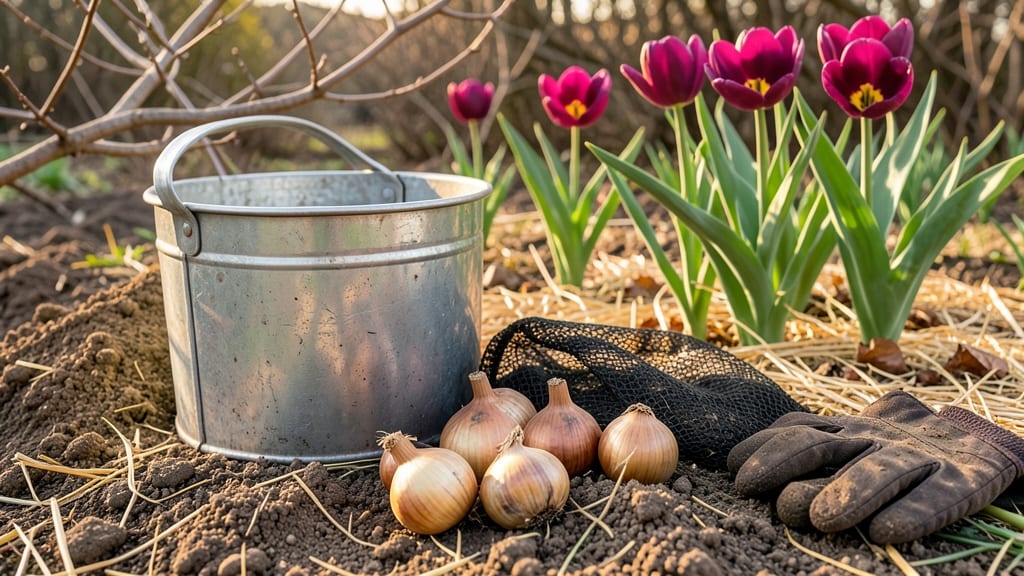
If you’ve ever planted tulips in Tennessee only to watch them fail to bloom—or worse, rot in the ground—you’re not alone. The key to perfect tulip growth lies in timing, and Tennessee’s Zone 6a-7b climate demands precision.
Plant too early, and frost or soggy soil can ruin your bulbs; too late, and they won’t establish roots before winter. Here’s exactly when to plant for vibrant spring blooms every year.
Tennessee gardeners know the drill: fall is the only safe window for tulips, but the 6-week span between October and December makes all the difference.
Whether you’re in Nashville’s 7a zone or the cooler Appalachian foothills, the goal is the same—get those bulbs in the ground before the first hard frost, typically by mid-October. Miss that deadline, and your tulips may never recover.
Don’t let regional quirks throw you off. East Tennessee’s earlier frosts might push your planting to September, while West Tennessee’s milder winters could stretch it into early November. The solution?
A soil thermometer and a little local knowledge. We’ll break down the exact steps to time your planting for flawless results, no matter where you garden in the state.
Ready to transform your yard into a sea of 🌷? Let’s dive into the Zone 7a planting calendar that’ll have your tulips thriving—and your neighbors green with envy—by next spring.
Best time to plant tulip bulbs in Tennessee (Zone 7a)
In Tennessee’s Zone 7a, the ideal tulip planting window is a 6-week span from mid-October to mid-November. This timing ensures bulbs establish roots before the ground freezes—typically mid-October in Nashville but earlier in higher elevations like the Smoky Mountains.
Planting too early risks rot from warm, moist soil, while late plantings may not harden off before frost.
Tulip bulbs need consistent soil temperatures below 60°F (15°C) to trigger dormancy. In Tennessee, soil temps drop below this threshold in early to mid-October, signaling the perfect start. Aim to finish planting by mid-November to avoid winter damage, especially in colder microclimates like Chattanooga.
The critical factor is soil temperature, not calendar dates. Use a soil thermometer to confirm temps are below 60°F before planting. In East Tennessee, where frosts arrive earlier, start as early as late September.
In West Tennessee, where winters are milder, you can extend planting until early December—but only if the ground hasn’t frozen.
Tulips planted in this window will bloom reliably in spring (April–May) because they’ve had time to develop strong roots. Skipping this window risks weak stems, fewer blooms, or no flowers at all—a common mistake in Tennessee’s variable climate.
🌷
| Stage | Action | Tennessee Timeline |
|---|---|---|
| Soil Prep | Loosen soil, add compost, ensure drainage | Late September–October |
| Planting Window | Bulbs 6–8" deep, 4–6" apart | Mid-October–Mid-November |
| Frost Protection | Mulch with straw (2–3") after planting | November–December |
| Spring Blooms | Stems emerge when soil hits 50°F (10°C) | April–May |
If you miss the October–November window, you can plant tulips in January—but only if the ground isn’t frozen. Late plantings may still bloom, but they’ll be smaller and less vigorous.
In Tennessee’s Zone 7a, January plantings are risky unless you’re in West Tennessee’s milder pockets (e.g., Memphis). Always check soil temps first!
For container gardening, adjust your timeline slightly. Potted tulips can handle one extra month of planting (up to December), but move containers to a garage or cold frame if frosts threaten. This protects roots while allowing stems to emerge in spring.
Pro tip: Mark your calendar for October 15th—this is Tennessee’s average first frost date in most areas. Planting by this date guarantees bulbs will harden off before winter sets in. Use wooden stakes or flags to mark planting spots for easy spring cleanup.
✂️
Tulip planting calendar for Tennessee: month-by-month guide
Your Zone 7a tulip planting success hinges on understanding Tennessee’s fall weather patterns. Unlike northern states, we don’t face harsh freezes until late October or November, giving us a slightly extended window—but don’t wait too long!
Here’s your month-by-month breakdown to plant tulip bulbs at the perfect time for vibrant spring blooms.
September is your preparation month. Use this time to test soil pH (aim for 6.0–7.0) and amend heavy clay with compost. If your garden bed isn’t ready yet, order bulbs now—reputable nurseries like Local Greenhouse in Nashville often have early shipments.
Mark your calendar for late September soil prep to avoid rushing later.
- Soil Prep: Add 2-3 inches of compost to garden beds
- Order Bulbs: Purchase certified disease-free bulbs from local nurseries
- Test Soil: Aim for pH 6.0-7.0; amend with lime if needed
- Mark Beds: Outline planting areas with stakes for easy reference
- Planting Window: Ideal dates: October 15-November 1
- Soil Temp: Wait until soil cools to 50°F (10°C)
- Depth: Plant bulbs 6-8 inches deep, 4-6 inches apart
- Mulch: Apply 2-3 inches of straw after planting
- Last Chance: Plant by November 15 for best results
- Cold Tolerance: Bulbs can handle 32°F (0°C) once planted
- Watering: Keep soil moist but not soggy
- Frost Watch: First light frost typically arrives mid-October
- Emergency Planting: Only if soil isn't frozen (December 1 cutoff)
- Winter Care: Mulch heavily if temperatures drop below 20°F (-7°C)
- Monitor: Check for rodent damage to bulbs
- Plan Ahead: Order next year's bulbs for spring planting
November is your prime planting month in Tennessee. Aim to finish by November 15—after that, bulbs may not establish roots before winter dormancy. If you’re in West Tennessee (warmer microclimate), you might push to early December, but East Tennessee gardeners should plant by mid-November to avoid frost damage.
Pro tip: Use a soil thermometer to confirm temperatures are below 60°F (15°C) before planting.
December planting is risky but possible if your soil hasn’t frozen solid. Only attempt this if you’ve had consistent below-freezing temps for at least 2 weeks. For late plantings, choose hardier varieties like Darwin Hybrid tulips, which tolerate colder conditions better.
Remember, bulbs planted after December 10 may not bloom as vigorously the following spring.
After planting, water deeply once to settle soil around bulbs, then reduce watering until spring. Apply a 2-inch mulch layer of straw or shredded leaves to insulate bulbs from temperature swings. In unpredictable Tennessee winters, this extra protection can mean the difference between flawless blooms and missed flowers.
🌷