
Plants
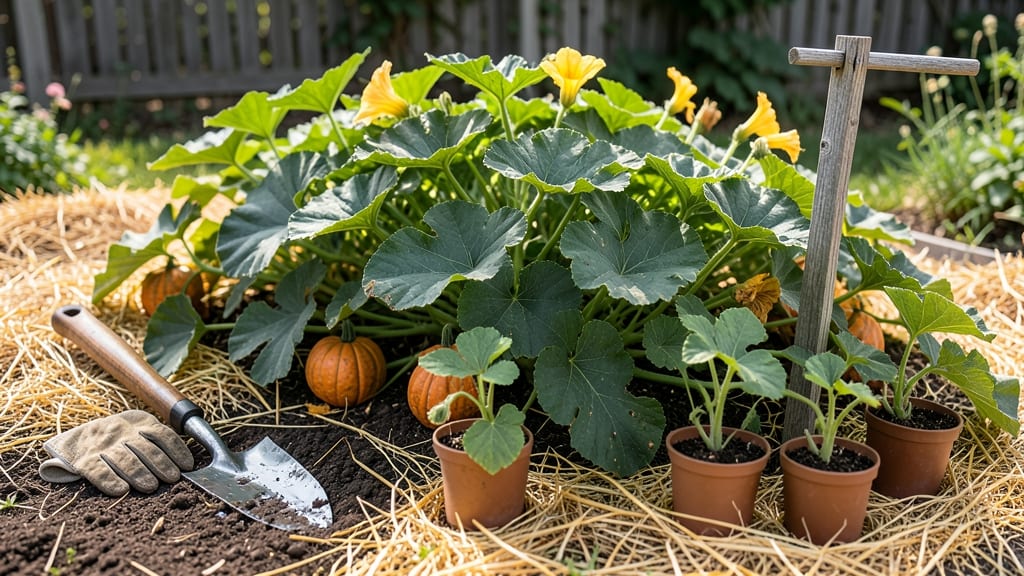
Planting pumpkins in California isn’t one-size-fits-all—your exact timing depends on whether you’re in foggy coastal zones or scorching inland valleys. Get the dates wrong, and you might end up with vines struggling through heat or frost, or worse, pumpkins that never fully ripen.
I’ve grown pumpkins 🎃 across California’s microclimates, and the difference between a bumper crop and a bust is often just a matter of weeks. Coastal gardeners can start as early as February, while inland growers should wait until March to avoid early heat stress.
The key? Matching your planting window to your local frost-free period and soil warmth.
In this guide, I’ll break down the perfect planting windows for your specific region—whether you’re in chilly coastal Zone 10 or warmer inland Zone 9. You’ll also learn how to adjust for unexpected weather, choose the right varieties, and extend your growing season for bigger, healthier pumpkins.
Ready to turn your patch of California soil into a pumpkin powerhouse? Let’s dive into the exact dates and strategies that’ll have you harvesting plump, vine-ripened pumpkins before the first frost—or ever gets a chance to touch them.
California pumpkin planting dates by microclimate Zone
California’s microclimates create a puzzle for pumpkin growers—what’s perfect in coastal San Francisco (frost-free year-round) fails in inland Fresno (hot summers, cold winters). The key? Planting dates tied to soil temperatures and last-frost averages. Let’s break it down by region so your pumpkins thrive from seed to harvest.
Most gardeners in California plant pumpkins in spring, but the exact window shifts dramatically. Coastal areas can start as early as February, while inland valleys wait until March or April.
Soil must reach 60-65°F for seeds to sprout—test with a soil thermometer or wait until azalea blooms (a natural indicator).
Here’s the comparison-table for California’s four key zones, including soil temps, frost risks, and ideal planting windows:
| Zone | Last Frost Date | Soil Temp for Planting | Ideal Planting Window | Notes |
|---|---|---|---|---|
| Coastal (San Francisco, Santa Barbara) | None (frost-free) | 60-65°F | February–April | Humidity risks; use well-draining soil. |
| Central Valley (Sacramento, Fresno) | January 15–March 1 | 65-70°F | March–May | Hot summers; shade cloth helps. |
| Desert (Palm Springs, Death Valley) | None (extreme heat) | 70-75°F | April–June | Drought-tolerant varieties only. |
| High Elevation (Mount Shasta, Lake Tahoe) | June 1–July 15 | 55-60°F | May–June | Short season; fast-maturing varieties only. |
For coastal gardeners, the February–April window aligns with spring rains, but avoid soggy soil—pumpkins hate root rot. In the Central Valley, where nights can still dip below 50°F in March, use black plastic mulch to warm the soil faster.
Desert growers must plant after Memorial Day to escape scorching heat.
Pro tip: If your area has unpredictable frosts (like the San Joaquin Valley), opt for ‘Jack Be Little’ or ‘Small Sugar’—they mature in 75-85 days, giving you a buffer. For high-elevation zones, start seeds indoors in April and transplant after last frost (often June).
Soil prep is non-negotiable. Pumpkins crave rich, sandy loam with a pH of 6.0–6.8. Mix in compost and aged manure 2 weeks before planting. If your soil is clay-heavy (common in Sacramento), amend with perlite or coconut coir to improve drainage.
Timing isn’t just about frost—it’s about heat tolerance. Inland valleys hit 100°F+ by summer, which can scorch young vines. If you plant in late April, use shade cloth (30-50%) during June–July to protect seedlings.
Coastal areas? Watch for summer fog, which can stunt growth—ensure vines get direct sun for 6+ hours daily.
One mistake I see often? Planting too early in cooler inland zones (like Madera) and getting damping off (a fungal disease from cold, wet soil). Wait until soil is consistently above 65°F—even if it means delaying until mid-May. Patience here saves your crop.
🎃
How to adjust pumpkin planting for your local weather patterns
California’s weather can be as unpredictable as a desert mirage—one day scorching hot, the next chilly enough to stunt your pumpkin vines. The key to success is flexibility.
If you’re in a region with late frosts or heat spikes, you’ll need to tweak your planting strategy to protect your pumpkins from wilted leaves or blossom drop.
Start by checking your local frost dates. Even in USDA Zone 10 coastal areas, unexpected cold snaps can sneak in. For inland valleys, row covers or black plastic mulch can add 2-4°F of warmth to the soil, giving your seeds a head start.
I’ve even seen gardeners use cold frames to germinate seeds earlier in Zone 9 areas.
For heat-sensitive varieties, like ‘Howden’, plant in early spring (March) to avoid summer’s 100°F+ temperatures. If you’re growing heat-tolerant types, such as ‘Cinderella’, you can push planting to late May—just be prepared to shade young plants with floating row covers during heatwaves.
⚠️ Warning: Heat Stress Risks
Pumpkins planted too late in hot climates suffer from blossom end rot or powdery mildew. If your area hits 95°F+ for 3+ weeks, switch to fast-maturing varieties (75-85 days) or use drip irrigation to keep soil temps stable.
Another trick? Succession planting. Instead of planting all your seeds at once, stagger them 2-3 weeks apart. This ensures a steady supply of young vines that can handle temperature swings.
I’ve had great luck with this in San Joaquin Valley, where afternoon breezes can cool things down just enough for tender shoots.
Don’t overlook soil prep, either. Amend your beds with compost and sand to improve drainage—waterlogged soil in summer can suffocate roots. In desert regions, like the Coachella Valley, I’ve seen gardeners mix in coco coir to retain moisture without compacting the soil.
Finally, keep an eye on the 7-day forecast. If a heatwave is coming, mulch heavily with straw to insulate roots. And if frost is in the forecast? Harvest early or use cloches to protect maturing fruit. With these adjustments, you’ll beat California’s weather—not the other way around.